


Relief and Recovery: How Massage Therapy Can Alleviate Neck and Back Pain

Neck and back pain affect millions of people worldwide, often limiting daily activities and reducing quality of life. While many turn to medication or surgery, massage therapy offers a natural, effective way to ease discomfort and support healing. This post explores how massage therapy works for neck and back pain, what to expect during treatment, and practical tips to maximize its benefits.
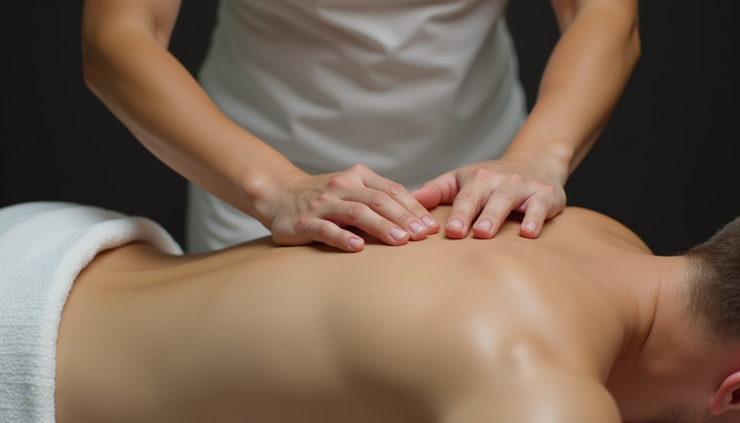
How Massage Therapy Helps Neck and Back Pain
Massage therapy targets the muscles, tendons, and soft tissues that often cause or worsen neck and back pain. By manipulating these tissues, massage can:
Reduce muscle tension that contributes to stiffness and discomfort
Improve blood flow to promote healing and reduce inflammation
Release endorphins, the body’s natural painkillers, which help decrease pain perception
Enhance range of motion by loosening tight muscles and improving flexibility
For example, people with chronic neck pain from poor posture or desk work often experience relief after sessions focused on the upper trapezius and cervical muscles. Similarly, those with lower back pain caused by muscle strain or overuse benefit from deep tissue massage that targets the lumbar region.
Types of Massage Techniques for Neck and Back Pain
Different massage styles offer unique benefits depending on the cause and severity of pain. Common techniques include:
Swedish Massage: Uses long, flowing strokes to relax muscles and improve circulation. Ideal for mild to moderate tension and stress-related pain.
Deep Tissue Massage: Applies firm pressure to reach deeper muscle layers. Effective for chronic pain and muscle knots.
Trigger Point Therapy: Focuses on specific tight spots that refer pain to other areas. Helps break up muscle spasms and restore function.
Myofascial Release: Targets the connective tissue surrounding muscles to reduce tightness and improve movement.
A skilled therapist will assess your condition and choose the best approach or combine techniques for optimal results.
What to Expect During a Massage Session
Knowing what happens during a session can ease any anxiety and help you get the most from your treatment:
Initial Consultation: The therapist will ask about your pain history, lifestyle, and any medical conditions.
Treatment Plan: They will explain the massage style and areas of focus.
Massage Process: Sessions typically last 30 to 60 minutes. You may lie on a table with towels covering areas not being worked on. Pressure can be adjusted based on your comfort.
Aftercare Advice: Therapists often recommend hydration, gentle stretching, or heat application after massage to support healing.
Communicate openly with your therapist about pressure levels and any discomfort during the session.

Practical Tips to Enhance Massage Benefits
Massage therapy works best when combined with healthy habits and self-care. Consider these tips:
Maintain good posture throughout the day to reduce strain on neck and back muscles.
Incorporate regular stretching to keep muscles flexible and prevent tightness.
Stay hydrated to help flush out toxins released during massage.
Use heat or cold therapy as recommended to manage inflammation or soreness.
Schedule regular sessions if you have ongoing pain or muscle tension.
For example, a person with desk job-related neck pain might benefit from weekly massages paired with daily neck stretches and ergonomic adjustments at work.
When to Seek Medical Advice
Massage therapy can relieve many types of neck and back pain, but it is not a substitute for medical diagnosis or treatment. Seek professional advice if you experience:
Severe or worsening pain
Numbness, tingling, or weakness in limbs
Pain after trauma or injury
Signs of infection such as fever or swelling
Always inform your massage therapist about any health conditions or medications to ensure safe treatment.


Comments