


5 Benefits of Swedish Massage for Stress Relief, Flexibility, and Deep Relaxation

A rested body can be surprisingly hard to find. Tight shoulders, shallow breathing, restless sleep, and that low background hum of stress can all become so familiar that they start to feel normal.
Massage offers a gentle way to pause that cycle. Among the many styles available, Swedish Massage is one of the most widely recognised for relaxation. It uses long, flowing strokes, kneading, light tapping, circular movements, and gentle joint work to calm the nervous system and soften physical tension.
This guide explores five key benefits: stress relief, better circulation, improved flexibility, less muscle tension, and a deeper sense of overall well-being. It also covers how to choose a qualified therapist and what to expect during a session, so the experience feels calm from the moment it begins.
This article is for general information only. Massage can support comfort and relaxation, but it is not a substitute for medical care. If there are health conditions, injuries, circulation issues, pregnancy, or ongoing pain, it is best to speak with a GP or qualified health professional before booking.

Why this massage style is so closely linked with relaxation
Swedish massage is often chosen by people who want to relax rather than work through intense discomfort. The pressure can vary, but the overall rhythm is usually smooth, steady, and soothing.
A typical treatment may include:
Long gliding strokes across larger muscles
Kneading to soften areas that feel tight
Gentle circular pressure around shoulders, back, or legs
Light tapping or rhythmic movements
Passive stretching or gentle movement of joints
The goal is not to “force” the body to release. It is to invite the muscles, breathing, and mind to settle.
This is where it differs from styles such as Deep Tissue Massage, which often uses firmer pressure and focuses more directly on deeper layers of muscle and connective tissue. Swedish-style work is usually a better starting point for rest, general tension, and a calmer body state.
The 5 benefits that make Swedish massage so restorative
1. It supports stress relief by calming the nervous system
Stress is not only a thought pattern. It lives in the body too. The jaw clenches. The breath gets shorter. The shoulders rise. The stomach tightens. Over time, these small reactions can leave the whole body feeling braced.
Massage can help interrupt that pattern. Slow, repeated touch may signal safety to the nervous system. As the body begins to feel supported, breathing often becomes deeper and muscles may start to loosen.
Many people notice this shift during the first part of a session. The room is quiet. The pace slows. There is nothing to answer, fix, or plan for a while. That alone can be powerful.
Stress relief from massage may show up as:
A calmer mood after the treatment
Fewer feelings of physical restlessness
Easier breathing
A softer face, jaw, neck, and shoulders
A more settled feeling before sleep
The benefits may last longer when massage becomes part of a wider relaxation routine. That could include gentle stretching, regular movement, quiet evenings, breathing exercises, or taking short breaks from screens.
2. It encourages healthy circulation
Good circulation helps deliver oxygen and nutrients around the body. It also supports the removal of normal metabolic waste from tissues. Swedish massage does not replace exercise or medical treatment, but its flowing strokes can encourage local blood flow and help the body feel more refreshed.
Long strokes are often directed towards the heart, especially on the limbs. This can create a gentle pumping effect across soft tissues. Kneading movements may also warm the muscles, which can make areas feel looser and more comfortable.
People often describe this as a pleasant feeling of warmth or lightness after a massage. Hands and feet may feel less cold. The back or legs may feel less heavy. The body can feel as if it has been gently “woken up” without strain.
For those who spend long periods sitting, this circulation-supporting effect can feel especially welcome. A massage will not undo the effects of an inactive routine on its own, but it can pair well with daily walks, mobility breaks, and light stretching.

3. It can improve flexibility and ease of movement
Flexibility is not only about being able to touch the toes. It is about moving comfortably through daily life. Turning the neck while driving, reaching for a shelf, getting up from a chair, or walking with ease all depend on muscles and joints working together.
When muscles are tight, movement can feel restricted. Swedish massage may help by warming the tissues, relaxing the muscles, and gently encouraging a fuller range of motion.
Therapists may use light stretching or joint movements as part of a session. These are usually slow and controlled. They should never feel forced. The aim is to help the body find more space, not push it beyond comfort.
Massage can be especially useful for areas that commonly become stiff, such as:
Neck and shoulders
Upper and lower back
Hips and glutes
Hamstrings and calves
Forearms and hands
For best results, massage can be combined with simple movement habits. Gentle yoga, mobility exercises, swimming, or walking can help maintain the sense of freedom gained during a session.
A helpful approach is to notice how movement feels before and after treatment. Can the shoulders drop more easily? Does the neck turn more smoothly? Does walking feel lighter? These small changes often give the clearest picture of progress.
4. It helps alleviate everyday muscle tension
Muscle tension can build quietly. A long day at a laptop, carrying shopping, gardening, driving, poor sleep, or emotional stress can all leave muscles feeling tight or sore.
Swedish massage works well for this kind of general tension because it uses a layered approach. A therapist may begin with lighter strokes to warm the area, then gradually use kneading or circular pressure to work into tighter spots.
The pressure should feel comfortable and useful, not sharp or overwhelming. Some areas may feel tender, especially if tension has been present for a long time, but pain is not the goal.
Good massage pressure usually feels like relief, not a test of endurance.
Common tension areas include the upper back, shoulders, neck, lower back, calves, and forearms. These areas often respond well to the steady rhythm of a Swedish-style treatment.
A session may also help reveal patterns. For example, tension on one side of the neck may link to sleeping position. Tight forearms may come from typing, gripping tools, or carrying bags. Lower back tightness may connect to long periods of sitting.
Once these patterns become visible, it becomes easier to support the body between appointments.

5. It boosts overall well-being by creating time to fully rest
One of the most valuable benefits of massage is also one of the simplest: it creates protected time for rest.
Many relaxation habits are easy to interrupt. A quiet evening can turn into chores. A bath can be cut short. A walk can become another task to squeeze in. A massage session is different because the time is set aside with clear intention.
This sense of permission matters. The body is supported. The lights are low. The pace is slow. The phone is away. There is no need to perform or respond.
That combination can support overall well-being in several ways:
Better awareness of where tension is held
Improved mood after physical relaxation
A stronger sense of connection with the body
A more restful transition into sleep
A quieter mind, even if only for a short time
Massage can also encourage kinder self-care. After a treatment, people often feel more motivated to drink water, sleep earlier, stretch gently, or take breaks before tension becomes severe again.
The benefit is not limited to the massage table. The session can become a reminder of what calm feels like, which makes it easier to notice when stress starts building again.
How to choose a qualified massage therapist
The right therapist can make the difference between a pleasant treatment and a deeply restorative one. Skill matters, but so does communication, professionalism, and trust.
Look for these signs when choosing a therapist.
Check training and professional standards
A qualified therapist should have appropriate training in massage therapy and understand anatomy, hygiene, pressure levels, and contraindications. In the UK, many therapists choose to register with a professional body or hold recognised qualifications, though exact routes can vary.
Before booking, check:
Their massage qualifications
Their experience with relaxation-focused treatments
Whether they carry professional insurance
Their hygiene and safety practices
Clear pricing and session length information
A professional therapist should welcome sensible questions. If answers feel vague or rushed, it may be better to keep looking.
Read reviews with care
Reviews can be useful, especially when they mention the therapist’s manner, communication, cleanliness, and ability to adapt pressure. Look for patterns rather than one-off comments.
Helpful review details include:
“Listened to what I needed”
“Checked the pressure”
“Created a calm atmosphere”
“Helped with shoulder tension”
“Explained the session clearly”
Avoid choosing based only on the cheapest option or the most luxurious-looking room. A calm, safe, respectful experience matters far more than decoration.
Ask about pressure and preferences
Before booking, ask whether the treatment can be adapted. Swedish massage should not feel like a fixed routine that ignores the individual body.
A good therapist will ask about:
Areas of tension
Injuries or recent operations
Medical conditions
Pregnancy
Skin sensitivity or allergies
Pressure preferences
Areas to avoid
They should also explain draping, consent, and how to speak up during the session. Clear communication supports relaxation because there is no need to guess what will happen next.
Trust comfort and boundaries
Massage should feel safe at every stage. A therapist should leave the room while the client undresses to their comfort level and gets under the towel or sheet. Only the area being worked on should be uncovered.
It is completely acceptable to ask for:
Lighter or firmer pressure
A change in music volume
More or less conversation
Extra warmth
A different position
An area to be skipped
A respectful therapist will respond calmly and professionally.
What to expect during your first session
Knowing the flow of a session can make the experience easier to enjoy, especially for anyone new to massage.
Most appointments begin with a short consultation. The therapist may ask about health history, current tension, lifestyle factors, and what the session should focus on. This is the time to mention anything that affects comfort, including injuries, sensitive areas, recent illness, or preferred pressure.
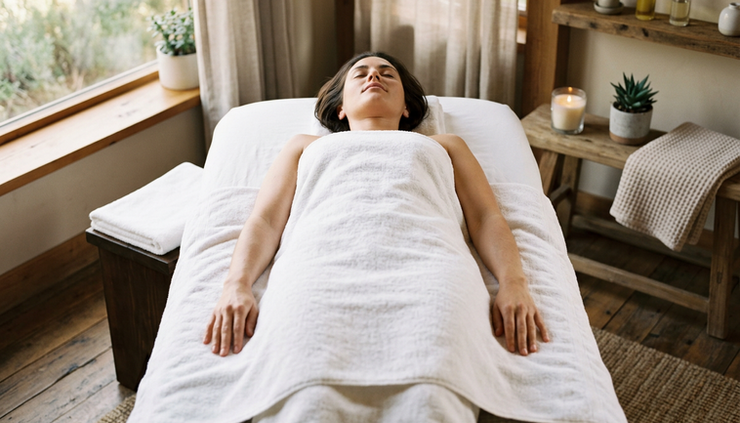
After that, the therapist will explain how to prepare. They will leave the room while undressing happens. Many people keep underwear on, but comfort comes first. The body remains covered with towels or sheets throughout the treatment, apart from the area being massaged.
During the session, the therapist will usually begin with gentle contact and slower strokes. This helps the body settle. Pressure may build gradually, especially around areas such as the shoulders, back, hips, or legs.
Breathing naturally is enough. There is no need to help, hold posture, or stay alert. If pressure feels too much, speaking up is not interrupting the treatment. It helps the therapist do better work.
After the massage, there is usually a short moment to rest before getting dressed. It is common to feel calm, sleepy, warm, or slightly light. Drinking water and keeping the rest of the day gentle can help extend the relaxed feeling.
A gentle way to come back to yourself
Swedish massage offers more than a pleasant hour away from routine. It can support stress relief, encourage circulation, improve ease of movement, soften muscle tension, and create space for deeper rest.
The best results often come from a simple, consistent approach. Choose a qualified therapist, communicate clearly, and treat the session as part of a wider care routine rather than a rare luxury.
A calm body is not always something that happens by accident. Sometimes it needs time, touch, warmth, and permission to let go. Swedish massage can offer exactly that.


Comments